
How Much House Can You Really Afford?
Start with a stronger budget framework before emotion or lender maximums take over.

A home purchase is not just about finding a house you like. It is about affordability, financing structure, timing, inspections, neighborhood choice, competition, and whether the move still makes sense after the excitement wears off.
Built for first-time buyers, move-up buyers, parents helping children, and buyers trying to make a smarter decision in Utah.

A lender can tell you what might be possible. That does not automatically tell you what is smart. A strong buyer decision starts with monthly comfort, cash reserves, repair reality, and whether the home still fits after the honeymoon period.

Down payment, rate, loan program, seller credits, cash to close, and reserve strength all change the decision. Weak buyer strategy treats financing as paperwork. Strong buyer strategy treats it as structure.

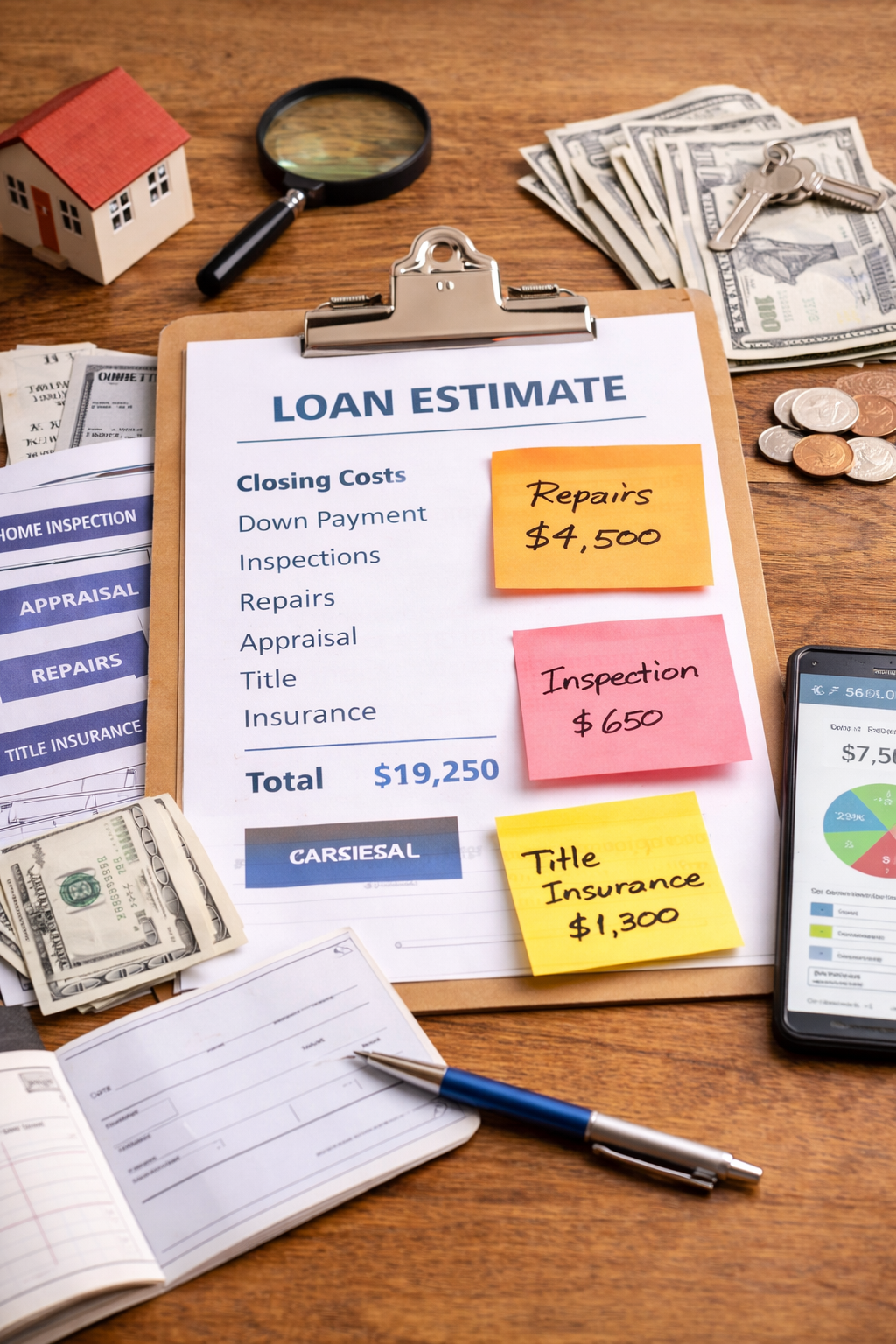
Inspection issues, appraisal gaps, underwriting surprises, repair negotiations, and neighborhood regret are where a lot of buyer confidence breaks down. The process is not dangerous because it is complex. It is dangerous when buyers walk in blind.
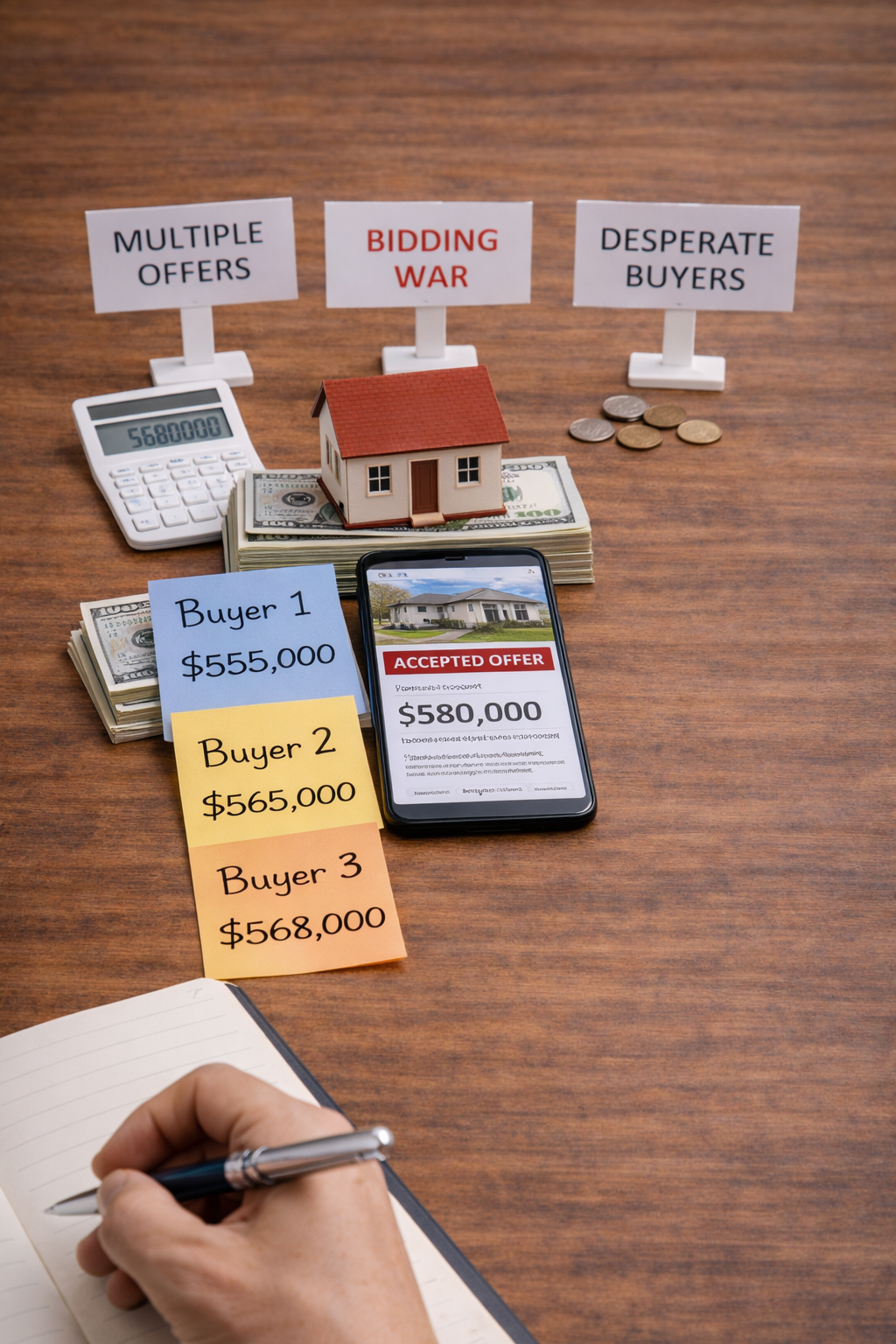
Buyers often get pushed into false choices: go aggressive or lose. That is weak framing. Stronger buyer strategy is about knowing where you can compete hard, where you should stay disciplined, and when the right answer is to walk.
A first-time buyer, move-up buyer, and parent helping a child buy should not be handed the same plan. Better strategy starts by identifying the actual situation first, then building the decision around that reality.

These are the tools and buyer resources that help create clarity before you write an offer you later regret.
Start with a stronger budget framework before emotion or lender maximums take over.
Understand how down payment, loan type, reserves, and closing costs shape the decision.
Think through commute, layout, area fit, and whether the property works for your next stage.

Learn how to compete with better structure instead of just throwing emotion at the deal.
The cleanest buyer decisions usually follow a better order.
Different buyers do not need the same guidance. The strongest next step depends on whether you are trying to buy your first home, move up, compete in a fast market, or help a child buy the right way.
Start here if you need a cleaner framework for what to buy, how to finance it, and what usually catches buyers off guard.
Explore First-Time Buyer Topics →For buyers balancing timing, family needs, cash flow, and the pressure of making the next move well.
Explore Move-Up Buyer Topics →For families trying to think clearly about structure, financing, and how to help without making the decision sloppier.
Talk Through the Situation →
A lot of buyer advice sounds helpful until you realize it assumes the only problem is finding a house.
Better buyer guidance starts by clarifying budget, structure, timing, risk, and fit first — then using the search process to execute the right move instead of creating one more emotional mess.
If you want to think through affordability, financing, process risk, competition, and what kind of purchase actually fits your situation, start with the strategy conversation first.