





This site uses analytics to understand how visitors use it. No tracking happens unless you accept.

Skip to main content
UPUtah Property Playbook

Buy

Buy for the life—and balance sheet—you actually have.

Affordability, property fit, offer strategy, and downside risk matter more than simply winning an offer.

Direct answer: buying well means evaluating what you can comfortably afford, how the property actually fits your life, and how to compete for it without overpaying — together, not in isolation. Timing matters less as a calendar question than as a readiness question: stable income, adequate reserves, and a property that fits, not a prediction about where rates or prices are headed.

Decision 1 — Affordability

How much can I comfortably afford?

Direct answer: there's no universal percentage that fits every situation. It depends on your full monthly payment, your other obligations, and how much cushion you want after closing — not the maximum a lender says you qualify for.

01

Monthly payment relative to income

What the full payment (principal, interest, taxes, insurance) actually takes from your monthly budget, not just what you qualify for.

02

Cash required at closing and reserves after

Down payment plus closing costs, and what's left over for the unexpected once you close.

03

Sensitivity to rate and expense changes

How the payment would look at a higher rate, or if taxes and insurance rise, before you're locked in.

Estimate what you can comfortably afford →

Decision 2 — Location & property fit

What should I buy, and how do I avoid regret?

Direct answer: the property and location that avoid regret are the ones that still fit a year or five years from now — not just the one that wins the bid today.

01

Property condition and needed repairs

Deferred maintenance and system age that could mean real near-term costs beyond the purchase price.

02

Location and long-term flexibility

Whether the property still fits if your situation changes — job, family, or plans.

03

Rental or resale potential

How easily the property could be rented or resold if your plans change.

  • Underestimating total carrying cost (taxes, insurance, maintenance, HOA) can strain a budget that looked fine on the mortgage payment alone.
  • Buying at the edge of affordability with no reserve cushion leaves little room for a job change, rate reset, or unexpected repair.

National considerations

Financing conditions, appraisal standards, and typical contingency structures shift with broader lending conditions nationally.

Utah considerations

Competing inventory, typical offer terms, and price appreciation vary meaningfully by Utah county along the Wasatch Front.

See current Utah home-price and rate data →

Decision 3 — Financing readiness

Are you actually ready to finance this?

Direct answer: readiness means pre-approval, verified reserves, and a loan structure that fits your holding period — resolved before you compete for a property, not during a tight offer deadline. Loan program, rate structure, and term all affect what you can actually afford and what the purchase costs over time. Todd provides real estate strategy, not lending; loan structuring and rate comparisons live on the Finance hub, in coordination with a licensed loan officer.

See the financing comparisons →
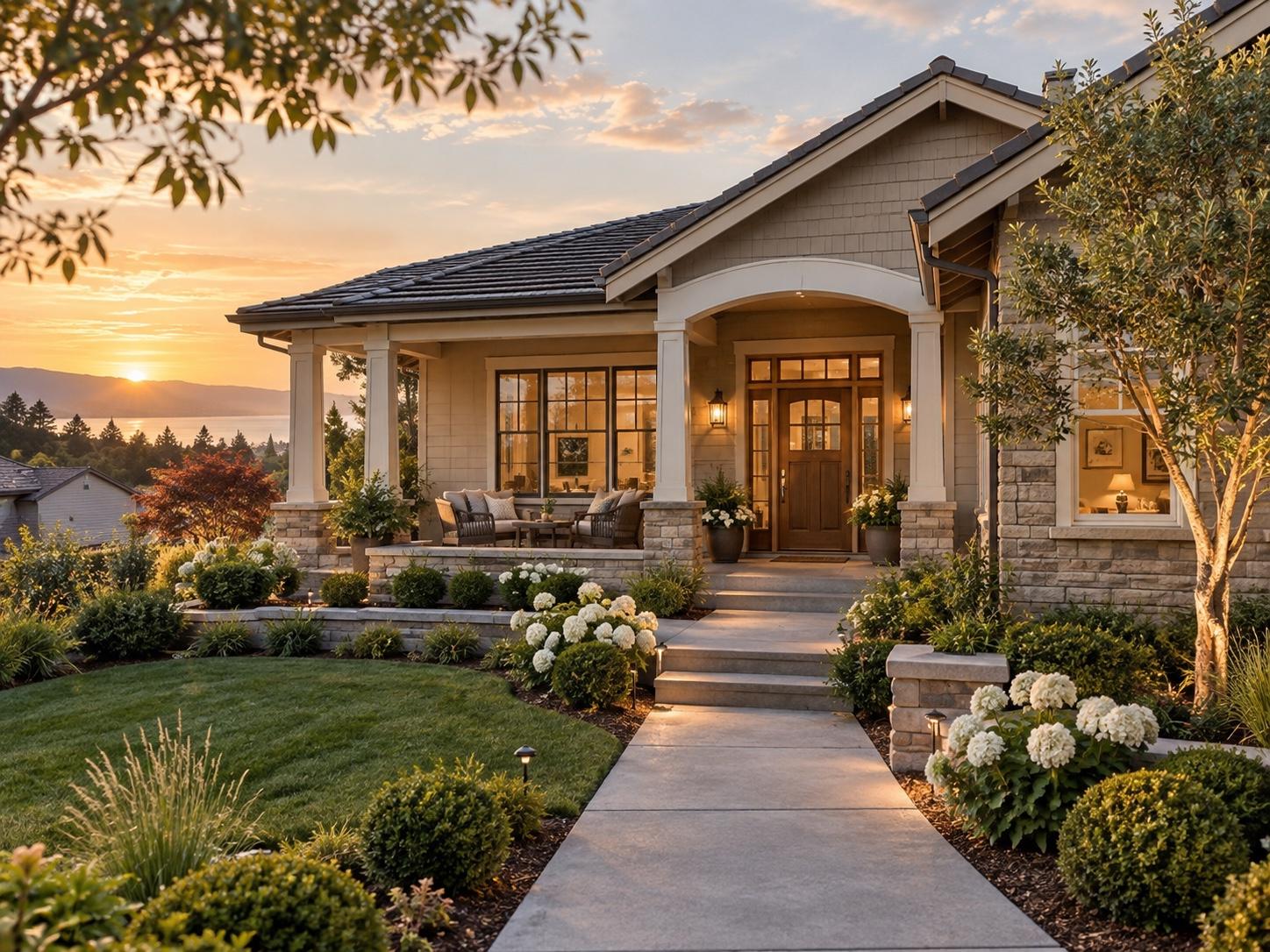
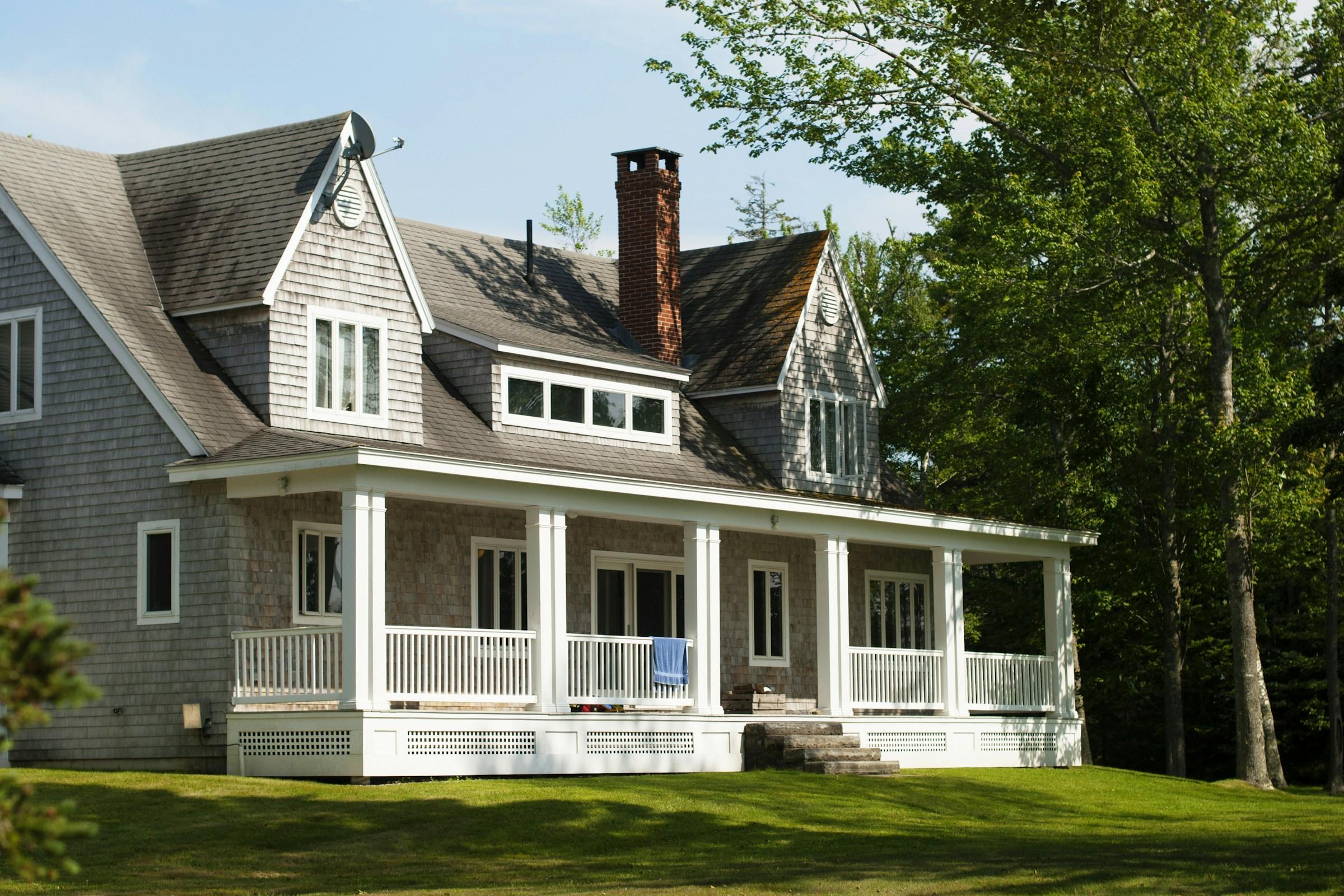
Traditional single-family home exterior with a wraparound porch

Decision 4 — Offer & contingency strategy

How do I compete without overpaying?

Direct answer: waiving an appraisal or inspection contingency can make an offer more competitive, but it transfers real risk to you — understand exactly what you're giving up before doing it, not just that it helps your offer.

01

Offer terms and contingencies

Price is only one term — financing, appraisal, and inspection contingencies affect real risk.

02

Financing reliability and certainty

How confident you and your lender are that the loan will close on the terms you expect.

Decision 5 — Inspection, appraisal & closing

What if the appraisal comes in below the offer price?

Direct answer: for financed purchases, the lender generally won't lend above the appraised value. You'd typically need to cover the gap in cash, renegotiate, or walk away — worth planning for as a real possibility in a competitive market.

An inspection exists for the same reason — to surface condition issues before they become your problem instead of the seller’s. Once repairs, credits, and the appraisal are resolved, closing is the last coordination step: final walkthrough, loan funding, and move timing — including any related sale on your side.

Worked examples

Three tradeoffs buyers actually face.

Each is a genuine tradeoff, not a right answer — the decision factor is what actually should drive your choice.

A lower price with a longer commute, or a higher price near work?

Lower price, longer commute

A lower purchase price and payment, offset by more time and cost spent commuting.

Higher price, near work

A higher purchase price and payment, offset by a shorter commute and more time back in your day.

Decision factor: What the commute actually costs you in time, vehicle wear, and quality of life, weighed against what the payment difference buys elsewhere in your budget.

Estimate comfortable affordability

An updated resale home, or new construction with a builder incentive?

Updated resale

Established landscaping, known finishes, and a settled neighborhood — but the updates and systems are whatever age they already are.

New construction with a builder incentive

A builder-paid rate buydown or closing-cost credit can offset a higher price, but the community may still be under construction and finishes come from the builder's options list.

Decision factor: Whether the incentive's value holds up against total cost, and whether an unfinished community fits your timeline.

Read the comparison

A lower rate bought down with points, or a higher rate with lender credits?

Lower rate, paid for with points

More cash required at closing in exchange for a permanently lower rate and payment.

Higher rate, offset by lender credits

Less cash required at closing, credited toward costs, in exchange for a higher rate and payment.

Decision factor: How long you expect to hold the loan — the same break-even logic used for permanent buydowns on the Finance hub.

Find the break-even point

Author: Todd McClean, Realtor® | Real Estate Investment Strategist, Mountainland Realty, Inc.. Reviewed July 28, 2026. This page provides general real estate information and is not legal, tax, accounting, lending, securities, commodities, or financial-planning advice.

Utah buyer representation

Residential, house-hack, and small multifamily purchases.

Representation for residential, first-time, parent-assisted, house-hack, single-family investment, and small multifamily acquisitions through Mountainland Realty, Inc..

Next step

Ready to talk through a purchase?

Tell us about the property and timeline you’re considering.

CallTextEmailStrategy