Luxury + distinctive Utah properties
Premium presentation is not enough. The strategy has to withstand scrutiny.
Custom valuation, likely buyer analysis, property preparation, targeted exposure, privacy, and disciplined negotiation for high-value and difficult-to-compare properties.
Direct answer: distinctive properties often have fewer reliable comparable sales, smaller buyer pools, higher carrying costs, and more complicated preparation decisions. An automated valuation is not enough — the six factors below shape both pricing and marketing strategy.
What makes a property distinctive
Each of these changes how a property should be priced, prepared, and marketed — not just how it’s described.
Limited comparable sales
Distinctive properties often lack close, recent comparable sales, which makes an automated valuation or a simple price-per-square-foot approach unreliable on its own.
A smaller, more specific buyer pool
The realistic buyer pool for a distinctive or high-value property is smaller and more specific than for a typical resale, which changes how exposure and qualification should work.
Higher carrying costs while marketed
Taxes, insurance, utilities, and maintenance on a larger or more complex property accumulate during marketing time, which makes pricing and timing decisions carry more weight.
Privacy and security expectations
Owners of distinctive properties often want to limit public exposure, showings, or online photography — balanced against the reality that under-exposure can leave the right buyer never seeing the property at all.
Preparation, presentation, and narrative
Photography, video, architectural detail, and the story of the property matter more here than for a typical resale, where buyers are comparing on more standardized terms.
Longer, less predictable marketing timelines
Distinctive properties can take longer to sell than typical inventory, which affects pricing strategy, financing decisions, and how a seller should think about timing.
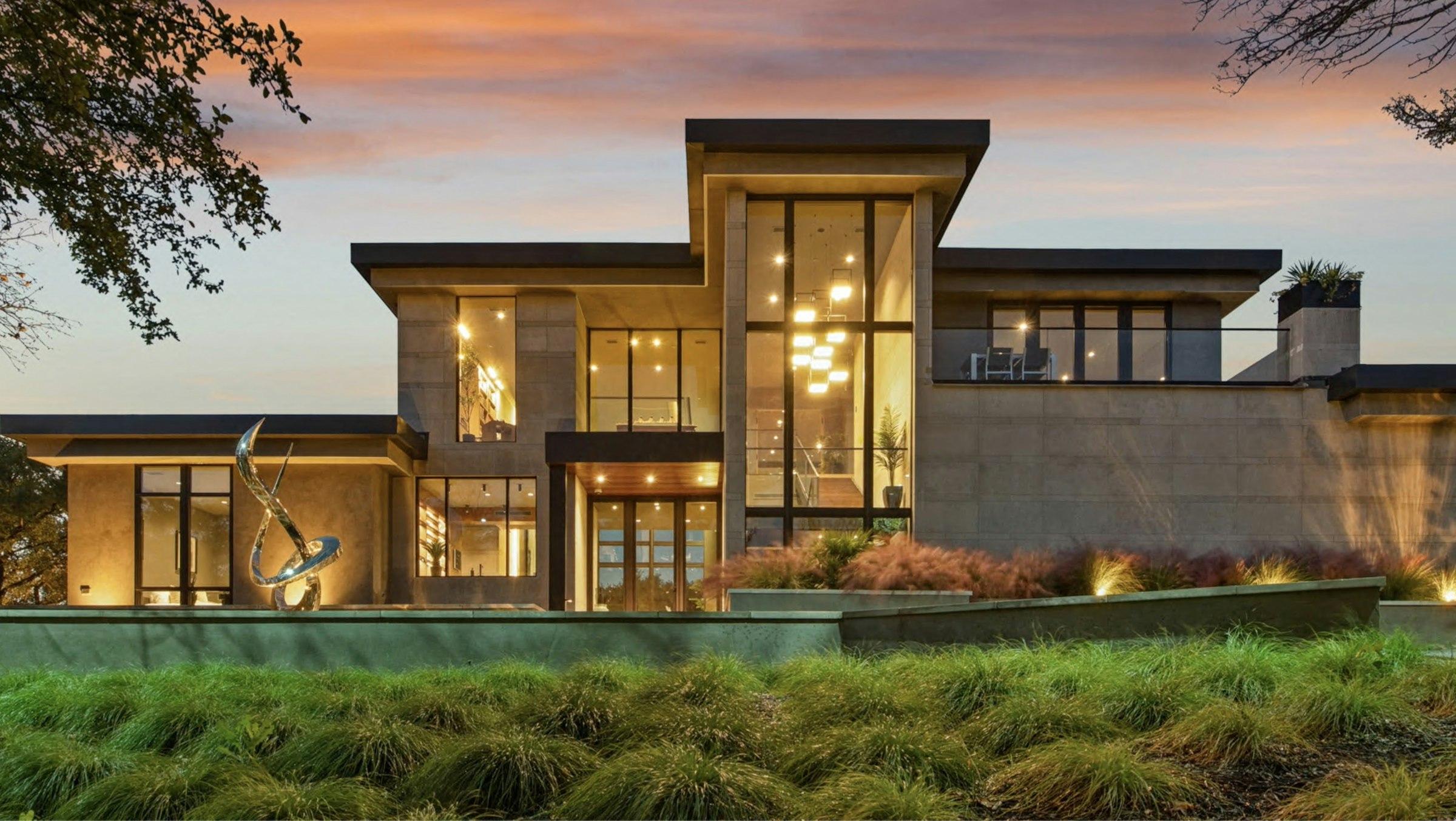
A custom review before a public launch.
Every distinctive property gets a custom valuation and buyer-pool review before anything is marketed publicly — not a template listing plan.
How the review works
Custom valuation
Weighing the nearest reasonable comparables, replacement-cost reasoning for unique features, and realistic buyer-pool depth — not a single automated number.
Buyer-pool & inventory review
Identifying who the realistic buyer actually is, and reviewing what else is currently competing for that same buyer's attention.
Preparation & presentation plan
Photography, video, architectural detail, and narrative calibrated to the property, not a generic listing template.
Privacy-calibrated marketing
A plan ranging from broad multi-channel exposure to a more discreet, invitation-only approach, depending on the seller's actual privacy needs.
Qualification & negotiation
Screening buyer qualification up front and negotiating terms that go beyond price — timing, inclusions, and privacy all matter more here.
Illustrative example (hypothetical)
A custom home with no directly comparable recent sales might receive a wide range of automated estimates, since those tools rely on standardized comparables and struggle with atypical square footage, custom finishes, acreage, or unique architecture. Weighing the nearest reasonable comparables, replacement-cost reasoning for the property’s unique features, and a realistic read on buyer-pool depth typically produces a materially different, more defensible number — this example is illustrative only, not a specific case or a guaranteed outcome for any property.
Downside cases: pricing on perceived value or replacement cost alone — without weighing the realistic buyer pool — can leave a property overpriced and sitting. Limiting exposure too aggressively to preserve privacy can mean the right buyer never sees the property at all. And assuming a national luxury marketing platform alone is sufficient, without a qualification and negotiation process suited to fewer, more sophisticated buyers, can cost a seller leverage at the negotiating table.
National considerations
Luxury and distinctive-property norms — discreet marketing practices, buyer pre-qualification expectations, and typical negotiation timelines — vary by market and price tier nationally.
Utah considerations
Utah’s distinctive-property market spans mountain and ski-adjacent homes, larger-acreage and equestrian properties, and architecturally significant homes along the Wasatch Front — each with different comparable-sales and buyer-pool considerations.
Frequently asked questions
How is a distinctive or luxury property priced without close comparable sales?
How is privacy balanced against getting enough market exposure?
Does Todd have a personal record of luxury home sales?
What makes negotiation different for a luxury or distinctive property?
How long does a distinctive property typically take to market?
Prefer to talk directly? You can call 801-360-0091 or email sellmyhometodd@gmail.com.
Author: Todd McClean, Realtor® | Real Estate Investment Strategist, CENTURY 21 Everest Realty Group. Reviewed July 25, 2026. This page provides general real estate information and is not legal, tax, accounting, lending, securities, commodities, or financial-planning advice.
Next step
Request a confidential review.
Tell us about the property. Distinctive and luxury requests receive a custom valuation and buyer-pool review before anything is marketed publicly.