Traditional Utah home sale
Sell a Utah home with a complete, honest process.
Pricing, preparation, marketing, showings, negotiation, due diligence, and closing — what actually determines a successful sale, explained plainly.
Direct answer: a successful sale isn’t just listing at the highest possible price. It’s the combination of realistic pricing, a property that shows well relative to its competition, effective marketing and exposure, a negotiation process that evaluates full offer strength rather than price alone, and a due-diligence and closing process that holds up under normal scrutiny.
Pricing & market positioning
Comparable sales are the start of the conversation, not the end.
A defensible price weighs comparable sales against current competing inventory, property condition, the financing environment, carrying costs, timing, and how the price is likely to hold up against an appraisal — not comparable sales in isolation.
See the Full Pricing and Positioning Framework
Preparing the property
Preparation decisions, viewed with a construction background.
Beyond the general repair-or-not decision, inspection preparation deserves specific attention: safety items (electrical, structural, or moisture issues) are the ones most likely to derail a transaction later, versus cosmetic items that rarely affect an inspection outcome.
See the Property Preparation Decision Framework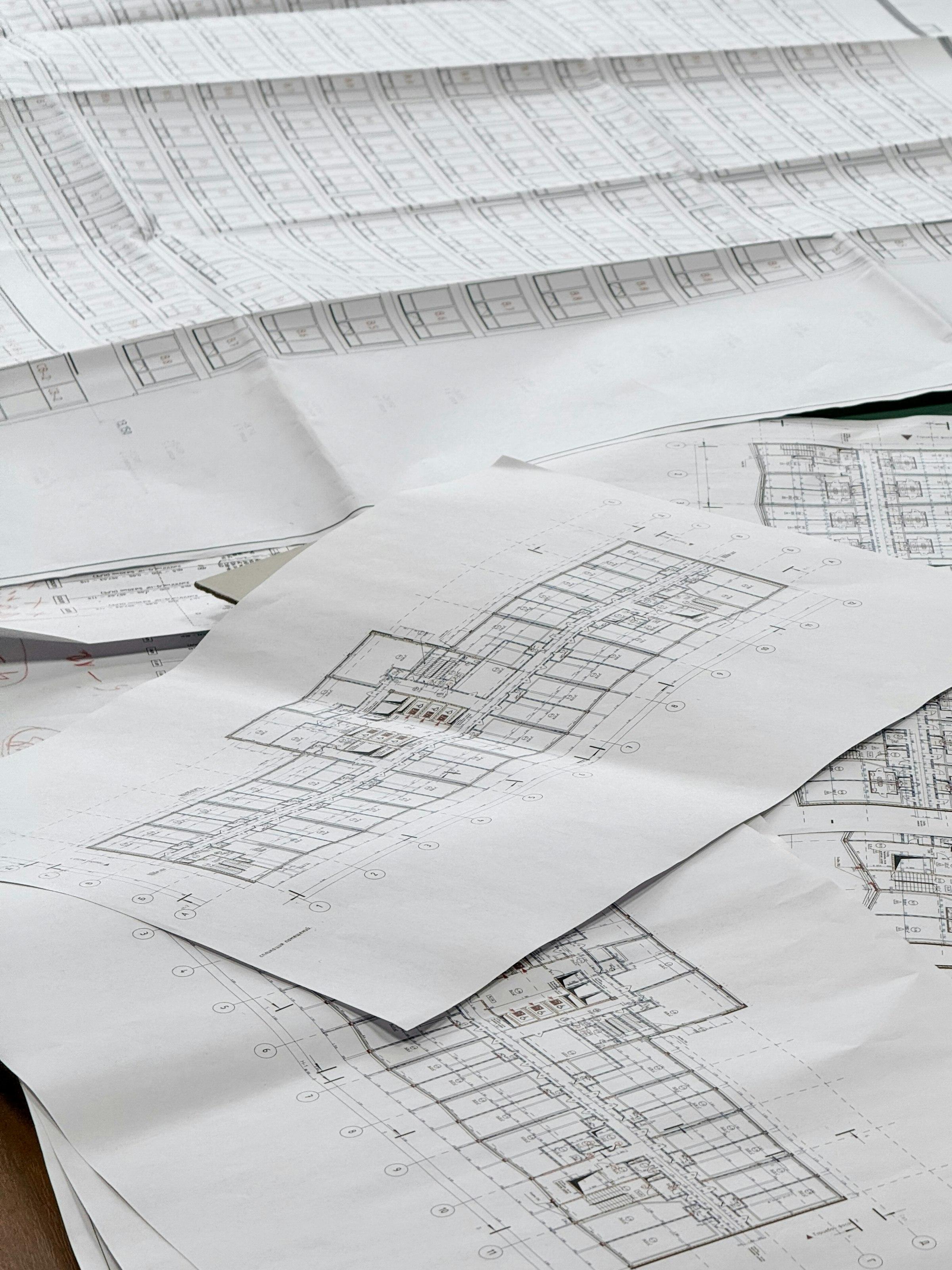
Marketing strategy
Marketing a property well generally includes professional photography (and video where it fits the property), accurate and specific listing copy, clear disclosure of condition, distribution to the MLS and syndicated portals, targeted outreach to agents representing likely buyers, and a showing process that makes the property easy and comfortable to view.

First impressions happen online
Most buyers decide whether to schedule a showing from photos alone — preparation and staging aren't optional steps.
Showings & buyer feedback
Feedback after showings is most useful in patterns, not single data points. Consistent price objections, consistent condition objections, or interest without offers each point toward a different adjustment — reacting to any one showing in isolation usually leads in the wrong direction.
Offer comparison & negotiation
The highest price isn’t always the strongest or most likely-to-close offer. Weigh all of the following together.
Price
The headline number — but only one part of overall offer strength.
Financing type & strength
Cash, conventional, FHA, or VA financing carry different certainty and timeline profiles.
Contingencies
Inspection, appraisal, financing, and sale-of-buyer's-home contingencies each add risk to a contract.
Closing timeline
Whether the proposed date matches your actual timing needs.
Earnest money & terms
The amount at risk to the buyer, and whether any portion is non-refundable.
Post-closing occupancy needs
Whether you need a rent-back period or a faster move-out than typical.
Inspection, appraisal & due diligence
A general home inspection typically leads to a round of negotiated repairs or credits. For financed purchases, the lender orders an appraisal that must support the contract price; title work and, if applicable, HOA documents are reviewed in parallel.
Downside case: if the appraisal comes in below the contract price, the sale can require renegotiation, a price reduction, or the buyer covering the gap in cash — a real risk, particularly in a fast-moving or competitive-offer market, and worth planning for rather than assuming away.
Closing preparation
Closing typically involves a final walkthrough, a payoff statement from your lender, coordinating moving logistics, signing closing documents, and the transaction funding and recording before keys are released.
Seller tools
Seller Net Proceeds
See what may remain after mortgage payoff, commissions, and closing costs. About 2 minutes.
Sell Versus Rent
Compare selling now with renting the property out — cash flow, equity, and future proceeds. About 5 minutes.
Rental Property Analyzer
Full underwriting on a rental property if you're weighing selling versus holding. About 10 minutes.
National considerations
Financing environment, appraisal standards, and typical contingency structures shift with broader lending conditions nationally.
Utah considerations
Comparable sales, competing inventory, and buyer demand vary meaningfully by Utah county along the Wasatch Front — a property-specific review accounts for local conditions rather than a statewide average.
Frequently asked questions
How long does it typically take to sell a home in Utah?
What happens if the appraisal comes in low?
Do I need to make repairs before selling?
What if I receive multiple offers?
How is my closing date determined?
Author: Todd McClean, Realtor® | Real Estate Investment Strategist, CENTURY 21 Everest Realty Group. Reviewed July 21, 2026. This page provides general real estate information and is not legal, tax, accounting, lending, securities, commodities, or financial-planning advice.
Next step
Request a property-specific strategy.
Tell us about the property and timeline. Utah seller requests receive priority routing.