Multifamily & mixed-use sales
Priced and marketed differently than a single-family home.
Small multifamily and mixed-use properties draw an investor buyer pool, price off income rather than comparable sales alone, and often involve different financing.
Direct answer: multifamily and mixed-use properties sell to investors, not owner-occupants, and investors price primarily off the property’s income — NOI and cap rate — rather than comparable sales alone. Positioning the sale around that reality makes the difference.
What positions the sale
NOI and cap rate
Investor buyers generally value the property off its income, not comparable sales alone.
Rent roll and lease terms
Current rents, lease expirations, and terms directly shape both value and buyer interest.
Deferred maintenance and capital needs
Investor buyers model near-term capital needs directly into their offer.
Zoning and mixed-use considerations
Zoning, permitted uses, and any nonconforming-use status affect both value and the buyer pool.
Likely buyer financing type
Financing for 5+ units is often commercial rather than residential, which affects buyer timelines and certainty.
Local rental-market conditions
Vacancy, rent trends, and competing inventory in the immediate area shape investor demand.
Buyer perspective
Investor buyers underwrite the deal before they make an offer.
An investor buyer runs the same NOI, cap rate, and cash-flow math a seller should already know before listing. Having that analysis ready — rent roll, expenses, and deferred maintenance — makes a stronger, faster negotiation possible.
Downside case: deferred maintenance is scrutinized harder by investor buyers, who tend to model repair and capital costs directly into their offer rather than treating them as a minor negotiating point.
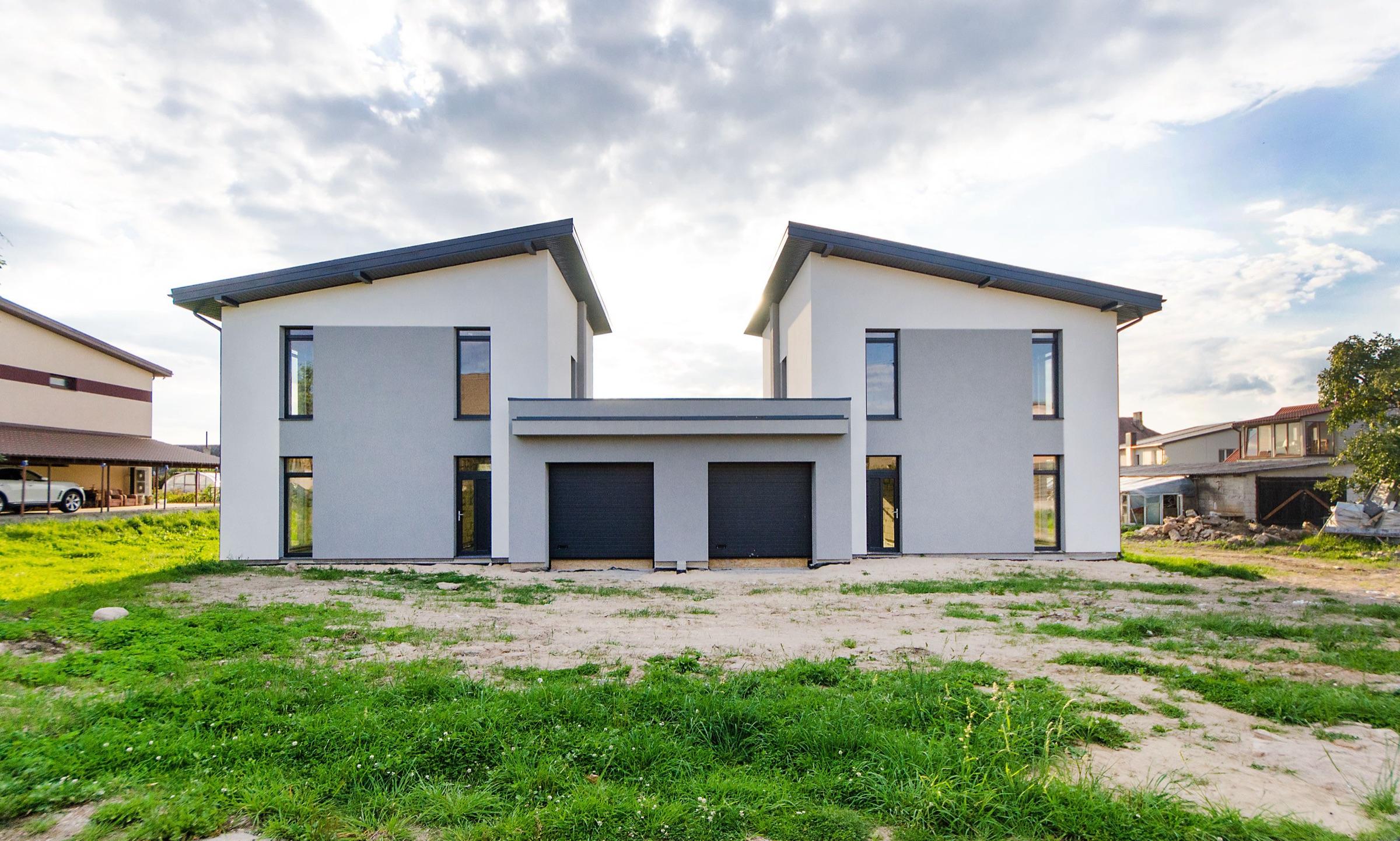
Utah rental market context
Local rent and vacancy conditions shape investor demand.
Rent levels, vacancy, and competing multifamily inventory vary by Utah county along the Wasatch Front — a property-specific review accounts for local conditions rather than a statewide average.

The tools that answer this decision
Rental Property Analyzer
Full underwriting — NOI, cap rate, cash flow, cash-on-cash, and stress tests. About 10 minutes.
Sell Versus Rent
Compare selling now with the income, expenses, and equity of continuing to hold. About 5 minutes.
Seller Net Proceeds
See what may remain after payoff, commissions, and closing costs. About 2 minutes.
Real-world example
What Todd Saw in the Property Other Investors Avoided
Situation: A long-time investment-property owner, later in life, who had already built a substantial portfolio concentrated in financial markets and was reconsidering how much of it should stay there.
What was at risk: Relying too heavily on the stock market with a shrinking time horizon to wait through a prolonged recovery
What Todd identified: Other investors saw an old building with dated units. Todd saw that several of the expensive, predictable capital items — the roof, the furnaces, the bathrooms, the flooring — had already been replaced within the previous few years, while the remaining visible deficiencies were easy to identify, estimate, and correct through a controlled improvement plan.
Action taken: Installed air conditioning in all six units
Outcome: Year-one NOI of $74,376 against a $1,255,000 total acquisition, improvement, and closing-cost basis, with rents increased approximately 19% and annual cash flow after debt service of $41,276.
Frequently asked questions
How is a multifamily property valued differently than a house?
Does deferred maintenance matter more here than for a house sale?
What financing will my buyer likely use?
Should I sell or keep operating the property?
Author: Todd McClean, Realtor® | Real Estate Investment Strategist, CENTURY 21 Everest Realty Group. Reviewed July 21, 2026. This page provides general real estate information and is not legal, tax, accounting, lending, securities, commodities, or financial-planning advice.
Next step
Plan your multifamily or mixed-use sale.
Tell us about the property, unit mix, and rent roll.