Analyze a purchase
Underwrite the deal before you fall in love with the property.
Rent comparables, realistic expenses, financing fit, and condition — tested together, not the advertised cap rate alone.
Direct answer: analyzing a purchase means testing rent, expenses, financing, and condition together against your own assumptions — not the seller’s marketing numbers or a cap rate in isolation. A property that looks good on the listing sheet can look very different once each of the factors below is checked independently.
What to verify before you write an offer
Rent comparables
What comparable units in the immediate area actually rent for — not the listing agent's projected rent or the current owner's asking figure.
Realistic operating expenses
Taxes, insurance, maintenance, management, and vacancy — estimated independently rather than copied from the seller's numbers.
Financing terms and their effect on cash flow
The same property can cash flow or lose money depending entirely on the down payment, rate, and loan terms you actually qualify for.
Property condition and near-term capital needs
Roof, mechanical systems, and deferred maintenance that could mean real capital costs in the first few years of ownership.
Cap rate in context
A cap rate means little on its own — it needs to be compared against the specific area, condition, and tenant quality behind it.
Exit assumptions
Whether the numbers work without assuming future appreciation, or whether appreciation is doing the heavy lifting.
Condition drives near-term capital needs
A property's mechanical systems and deferred maintenance are part of the numbers.
A roof, HVAC system, or plumbing nearing the end of its useful life isn’t a cosmetic detail — it’s a near-term capital cost that belongs in your analysis, not a surprise after closing. Build a realistic capital-expense reserve into the numbers before you commit.
Model Capital Expenses in the Analyzer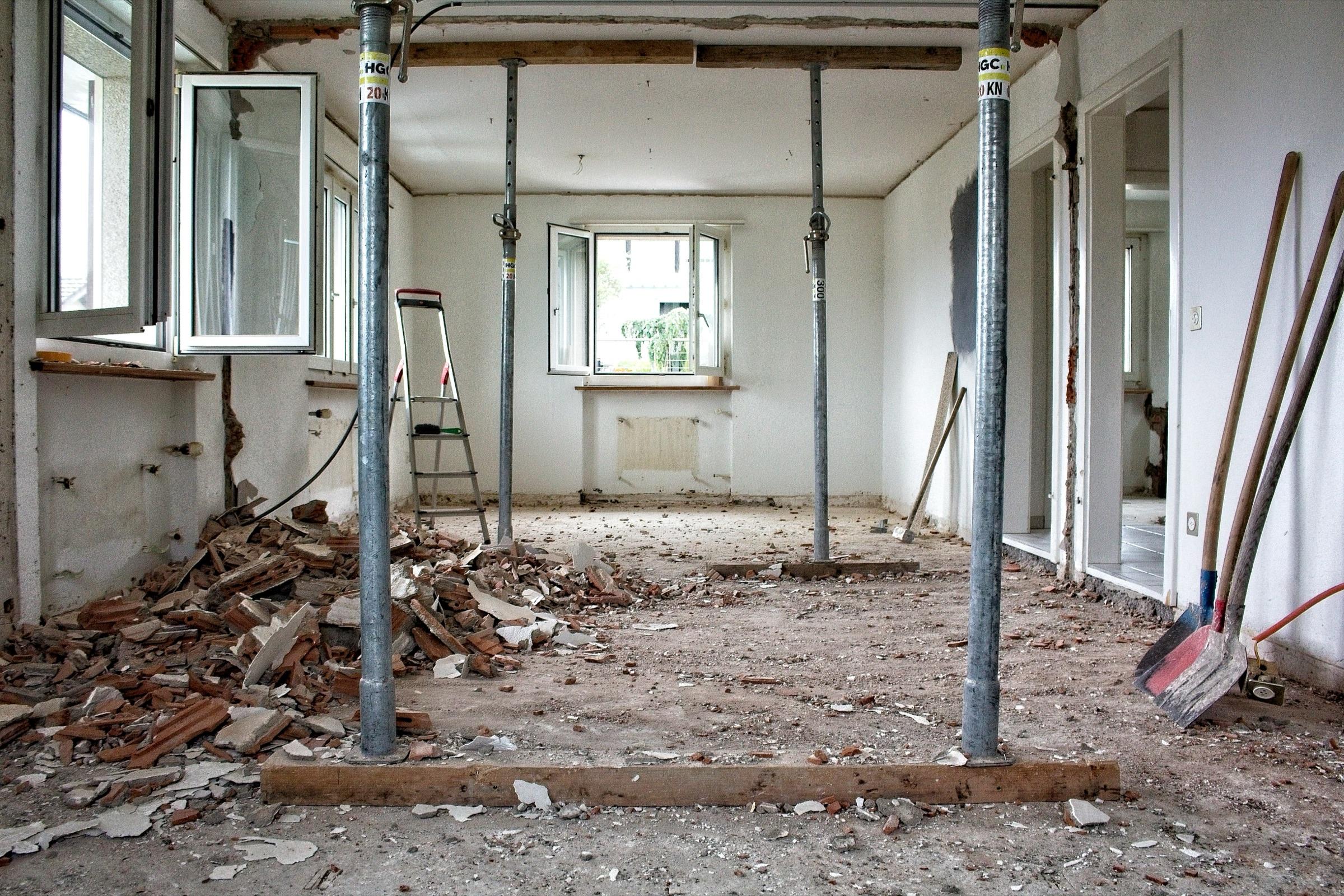
Downside cases
Where purchase analysis most often goes wrong.
- Using the seller’s stated expenses without verifying them independently can hide a materially worse cash-flow picture.
- Assuming rents will rise to justify a purchase that doesn’t work at today’s actual rents is a bet on the future, not an analysis of the deal in front of you.
- Ignoring vacancy and turnover costs (make-ready, lost rent, leasing costs) understates what tenant turnover actually costs over time.
National considerations
Cap rates and typical expense ratios shift with broader lending conditions, construction costs, and investor demand nationally.
Utah considerations
Rent levels, property taxes, and competing inventory vary meaningfully by Utah county along the Wasatch Front — a property-specific analysis accounts for this rather than a statewide average.
Run the analysis before you offer
Rental Property Analyzer
Full underwriting — NOI, cap rate, cash flow, cash-on-cash, and stress tests. About 10 minutes.
DSCR Qualification Calculator
Check where the property lands against typical DSCR loan requirements. About 3 minutes.
Sell Versus Rent
If you're comparing this purchase against selling another property, run both side by side. About 5 minutes.
Frequently asked questions
What's a good cap rate?
Should I trust the seller's stated expenses?
How do I estimate rent for a property I'm considering?
What is the 50% rule, and should I rely on it?
How many properties should I analyze before making an offer?
Author: Todd McClean, Realtor® | Real Estate Investment Strategist, CENTURY 21 Everest Realty Group. Reviewed July 21, 2026. This page provides general real estate information and is not legal, tax, accounting, lending, securities, commodities, or financial-planning advice.
Next step
Have a specific property in mind?
Tell us the property and the numbers you’re seeing — we’ll help you stress-test them.