Portfolio planning
Growth is a sequence, not a series of unrelated purchases.
Equity recycling, aggregate leverage, diversification, and financing sequencing — the discipline that separates a portfolio from a collection of properties.
Direct answer: a deliberate portfolio strategy treats each acquisition as part of a sequence — how equity gets recycled, how much total leverage you’re carrying, and how concentrated you are in one area or property type — rather than evaluating every purchase in isolation.
What changes as a portfolio grows
Equity recycling
Refinancing or exchanging out of one property to fund the next, rather than only saving new cash for every acquisition.
Aggregate leverage across the portfolio
How much total debt you're carrying across every property, not just whether any single deal cash flows on its own.
Diversification across type and location
Concentration in a single property type or submarket amplifies both the upside and the risk of a local downturn.
Financing-limit sequencing
Conventional financing has limits on financed properties — planning ahead for portfolio or commercial financing avoids a growth bottleneck.
Reserves across multiple properties
Reserve requirements compound as you add properties — a vacancy or repair on one property shouldn't threaten the others.
Management capacity
Self-managing becomes harder as a portfolio grows — at some point, professional management changes the math on further acquisitions.
Every street is a different deal
Diversification protects against a single local downturn.
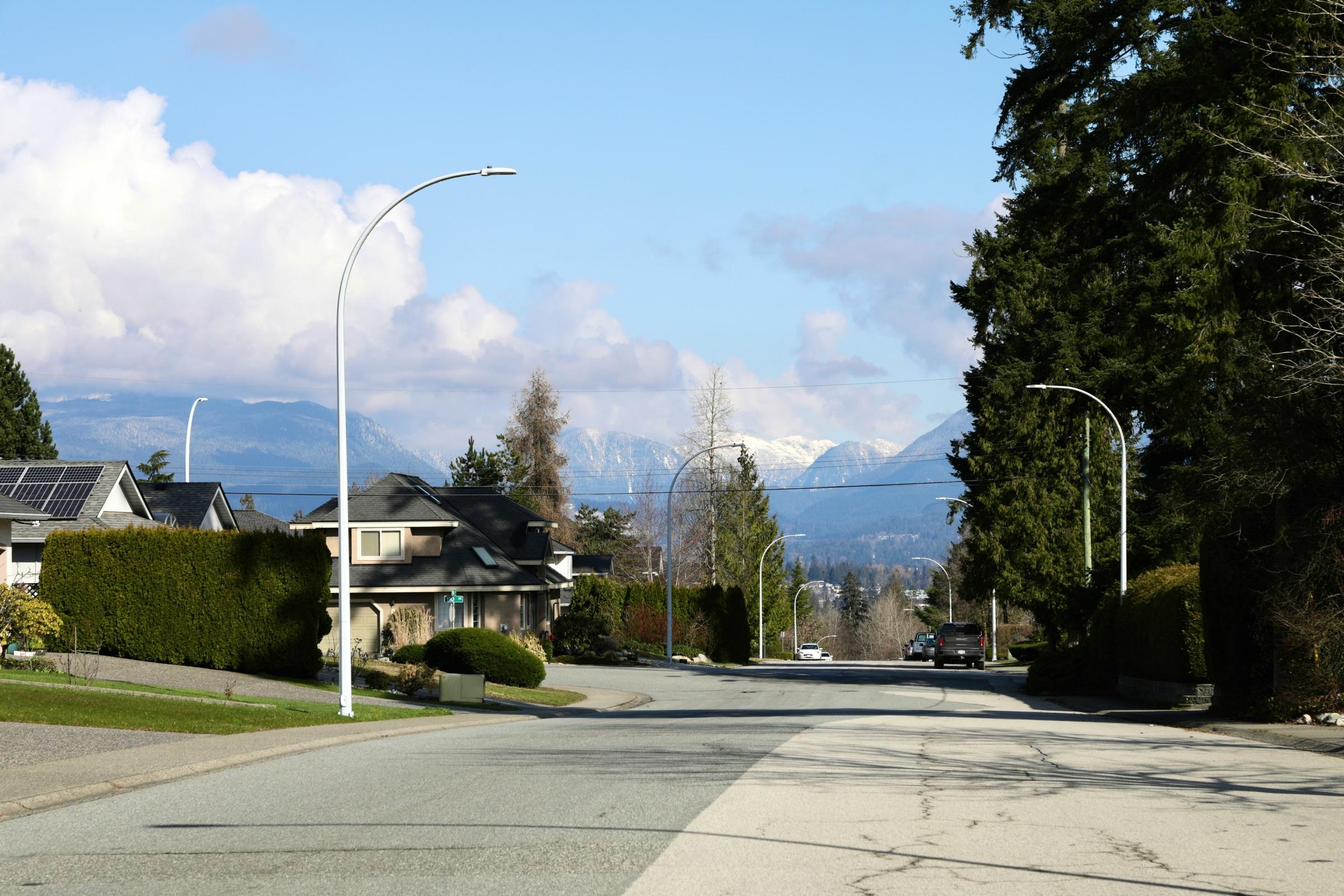
Rent levels, vacancy, and buyer demand vary block to block along the Wasatch Front — a portfolio concentrated in one neighborhood or property type carries more concentrated risk than one built across a few genuinely different submarkets.
Downside cases
Where portfolio growth most often overextends.
- Recycling equity aggressively into new acquisitions can leave the whole portfolio thinly capitalized if several properties hit vacancy or repairs at once.
- Concentrating too many properties in one submarket or property type means a local downturn affects the entire portfolio at the same time.
- Self-managing beyond your actual capacity as the portfolio grows can quietly erode returns through deferred maintenance and slower leasing.
National considerations
Conventional financed-property limits and portfolio-lending standards are set nationally and shift with lending conditions.
Utah considerations
Rent levels, cap rates, and competing inventory vary meaningfully by Utah county along the Wasatch Front — real diversification within Utah means more than owning several properties on the same street.
Tools for the next acquisition
Rental Property Analyzer
Full underwriting for the next property you're considering. About 10 minutes.
HELOC vs. Cash-Out Refinance
Compare ways to recycle equity from an existing property. About 5 minutes.
DSCR Qualification Calculator
Check where the next property lands against typical DSCR requirements. About 3 minutes.
Frequently asked questions
How many properties should I own before diversifying?
What is equity recycling?
Should I use a 1031 exchange to grow my portfolio?
How much reserve should I keep across multiple properties?
When should I consider portfolio or commercial financing instead of conventional loans?
Author: Todd McClean, Realtor® | Real Estate Investment Strategist, CENTURY 21 Everest Realty Group. Reviewed July 21, 2026. This page provides general real estate information and is not legal, tax, accounting, lending, securities, commodities, or financial-planning advice.
Next step
Planning your next few acquisitions?
Tell us your current portfolio and where you want to take it.